
Tool Condition Monitoring for machining process optimization
Real-time insight into tool condition and machining process stability
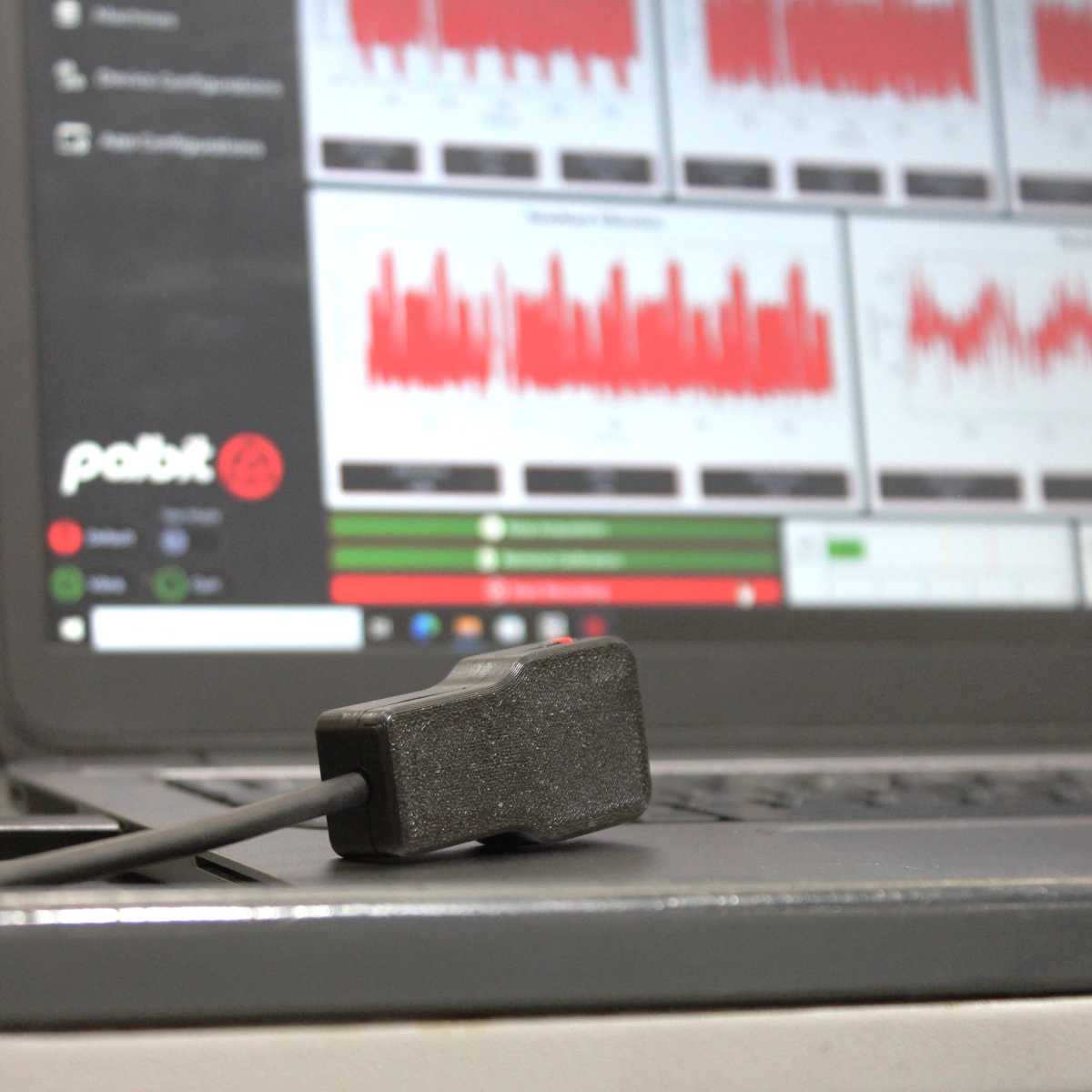
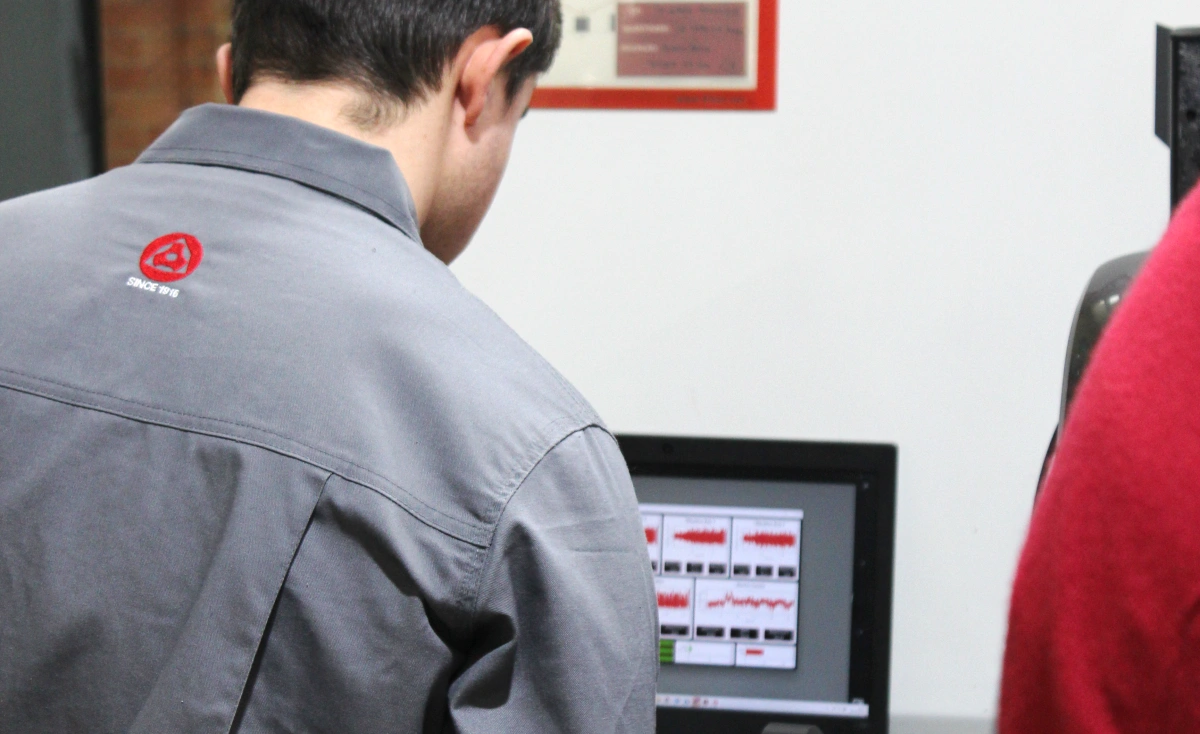
Tool condition monitoring (TCM) uses PnP vibration and current sensors to monitor machining operations in real-time. This data enables early detection of tool wear and abnormal cutting behaviour, allowing manufacturers to intervene before failure occurs. By preventing unexpected tool breakage, you reduce scrap and avoid unplanned machine downtime.
This solution is part of a new generation of cutting tool technologies designed to accelerate digitalization, innovation, and productivity in machining operations.
The old way
Traditionally, machining operations relied on manual data collection and delayed analysis. During production, operators recorded cycle times, downtime, part counts and quality checks using whiteboards or spreadsheets. This process often resulted in duplicate entries and limited visibility into what was happening during machining. Meanwhile, energy consumption and process inefficiencies remained largely hidden
The new way | PnP solutions
With PnP Sensors, machining operations move from delayed reporting to real-time monitoring. Plug-and-play vibration and current sensors capture machining data directly from the machine during cutting operations. This data is processed in real time and visualised through automated charts and reports, giving you clear insight.-
Sensors capture vibration and current signals
-
Data is transmitted to the monitoring platform
-
Software generates data charts and reports
-
Operators detect tool wear and machining instability
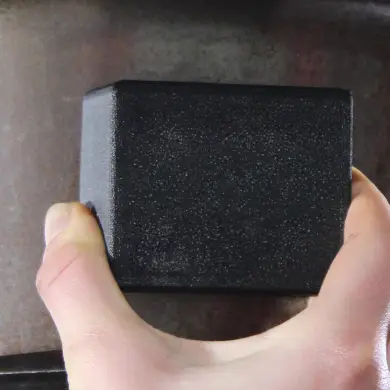
The sensor is designed for practical use offering a low cost, portable, and wireless solution with easy setup and a user-friendly interface.
Real Industrial Case Study
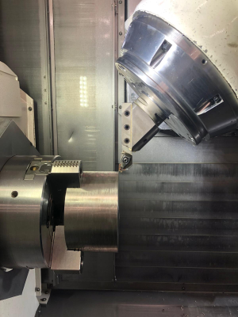
Mazak Integrex i-200ST
Material: 316L stainless steel
Operation: FacingCutting parameters
Vc: 200 m/min
ap: 1 mm
fn: 0.25 mm/rev
Insterts: CNMG 120408 - PHH920
Observation: Spindle motor current increases progressively with tool wear
Result: The system detected tool wear early on, preventing tool failure and stabilising the machining process